

Your mood has a chemistry, not just a story.
Estrogen, testosterone, thyroid hormone, and cortisol all shape mood, focus, and the brain's ability to change. Before — or alongside — ketamine therapy, we check what your hormones are actually doing, under the oversight of a board-certified physician at Desert Sands.
The Hormone–Mood
Connection
Hormones are chemical messengers for the brain, not just the body. Estrogen, progesterone, testosterone, thyroid hormone, and cortisol all directly influence neurotransmitter activity, receptor sensitivity, and the brain's capacity for change.
When those levels drift — through perimenopause, menopause, andropause, thyroid dysfunction, or chronic stress — mood, focus, sleep, and motivation often drift with them. It can look and feel exactly like depression or anxiety, because in a very real sense, it is affecting the same neurochemical territory. That's why a hormone panel is a natural companion to mental-health treatment, including ketamine therapy.
Four Ways Hormones
Shape Your Mental Health
These are the areas where hormone imbalance most often overlaps with — and can be mistaken for — the symptoms that bring people in for ketamine therapy.
Stabilizes the Foundation Mood Is Built On
Estrogen and testosterone both play a role in regulating serotonin and dopamine activity. When levels fall out of range, mood can feel harder to lift and harder to hold — even with treatment that would otherwise be working.
Clears Fog That Can Masquerade as "Just Depression"
Thyroid imbalance and low testosterone are two of the most under-diagnosed causes of brain fog, slow thinking, and poor concentration — symptoms that are frequently mistaken for depression alone.
Calms the Nervous System Behind Anxiety
Cortisol, progesterone, and thyroid hormone all influence how reactive the nervous system is to stress. Imbalances here are commonly associated with heightened anxiety, irritability, and a persistent sense of being "on edge."
Repairs the Sleep Cycle Mood Depends On
Estrogen and progesterone regulate sleep architecture; poor sleep, in turn, worsens mood, anxiety, and cognitive function. Restoring hormone balance is one of the most direct ways to break that cycle.
Why We Talk About Hormones Before — and During — Ketamine Treatment
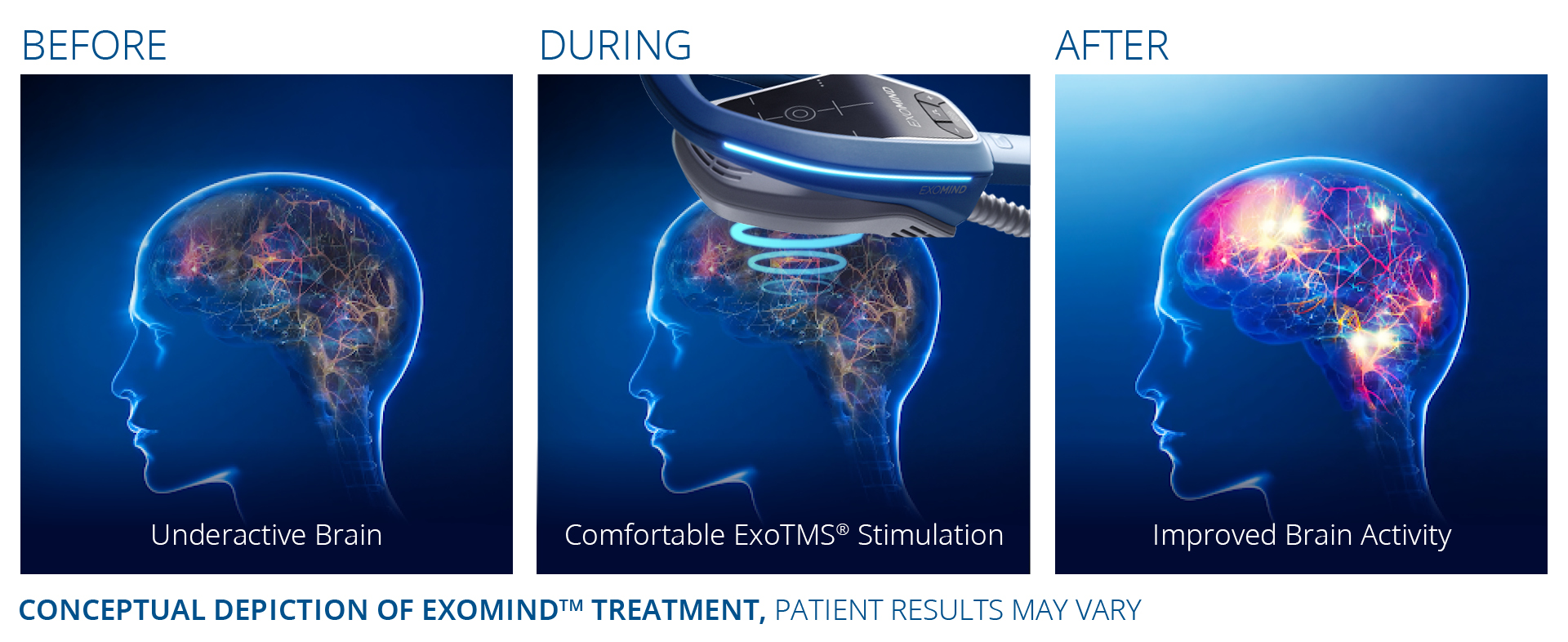
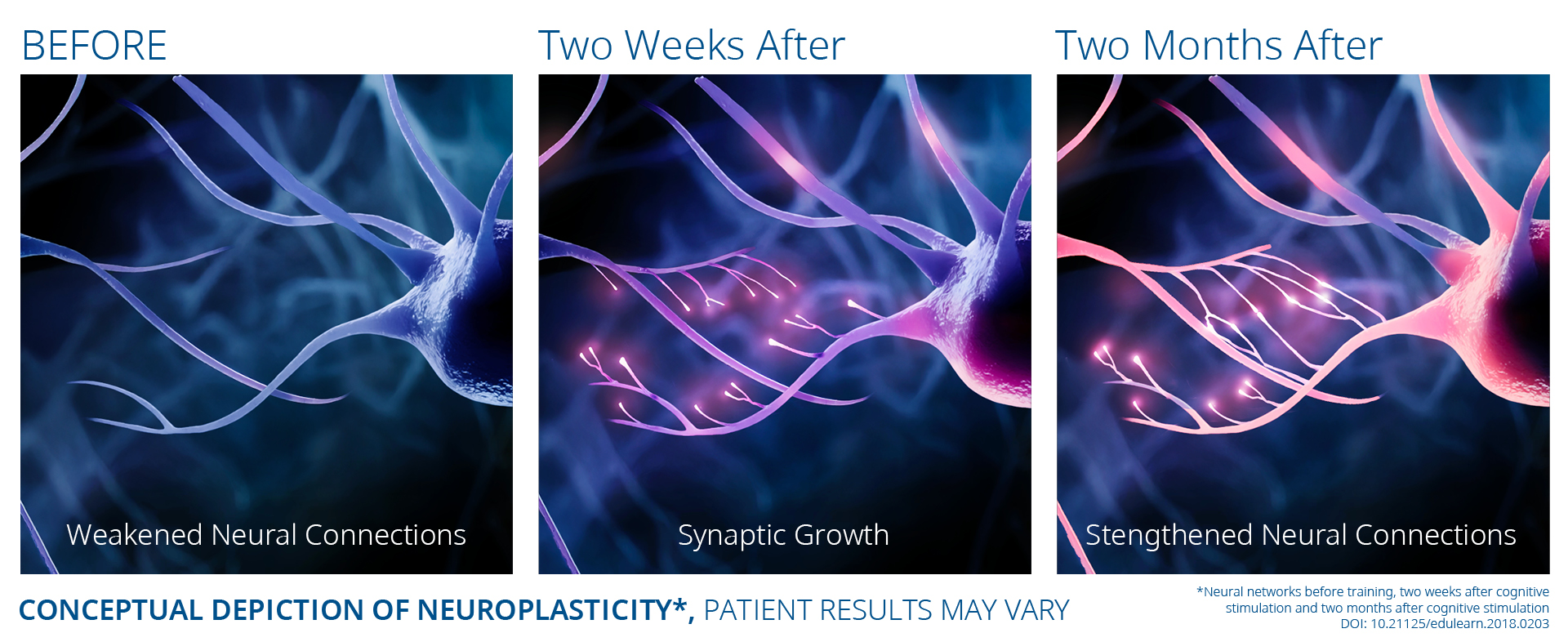
Ketamine's antidepressant effect is thought to work largely through neuroplasticity — the brain's ability to form new, healthier connections. Hormones help set the stage for that same process: they influence receptor sensitivity, inflammation, and the neurochemical environment your brain is working with. An unaddressed hormone imbalance doesn't cancel out ketamine therapy, but it can be part of the picture — which is why we make hormone lab testing part of the conversation, not an afterthought.
*Timeline reflects typical hormone-optimization response and is illustrative, not a guarantee. Individual results vary.
Real People,
Real Overlap
Hormone imbalance and mental-health symptoms overlap more often than people expect. Here's where we most often see the connection.
Ketamine Patients Wanting the Fuller Picture
Already in ketamine treatment but progress has slowed or plateaued? A hormone panel can surface something worth addressing alongside your infusions.
Perimenopause & Menopause
Mood swings, anxiety, and brain fog that arrived alongside hot flashes or a changed cycle are often hormonal in origin, not purely psychological.
Andropause & Low Testosterone
Men in their late 30s onward can develop low mood, irritability, and low motivation as testosterone declines — frequently mistaken for depression alone.
Chronic Stress & Cortisol Dysregulation
Persistent anxiety, poor sleep, and low resilience to stress can point to cortisol imbalance — a piece that's easy to miss without lab work.
Starting Ketamine & HRT at the Same Time
Some patients choose to begin hormone evaluation and ketamine therapy together, so both pieces of the picture are addressed from day one.
Not Sure If It's You?
The only way to know is a lab panel and a conversation. Dr. Evans will give you an honest assessment — no pressure, no obligation.
Start Here
It Starts with
Lab Work, Not Guesswork
We never prescribe or recommend hormone therapy based on symptoms alone. A comprehensive lab panel establishes exactly where your levels stand — estrogen, progesterone, testosterone, thyroid, and cortisol — before any decisions are made about your care, including how it fits alongside ketamine treatment.
A Fuller Picture.
One Coordinated Plan.
Ketamine and hormone therapy work on overlapping territory in the brain and nervous system. Instead of treating them as separate conversations, we bring them together.
Comprehensive Labs
A full hormone panel — estrogen, progesterone, testosterone, thyroid, and cortisol — establishes your baseline before any treatment decisions are made.
Coordinated Consultation
Dr. Evans reviews your labs alongside your mental-health history and current ketamine care, and discusses whether hormone therapy belongs in your plan.
Personalized Treatment
If indicated, BioTE bioidentical pellets or traditional HRT are added alongside your ketamine sessions — never a one-size-fits-all protocol.
Ongoing Monitoring
Follow-up labs confirm your hormone levels are optimized, and your provider adjusts your combined plan as your response to treatment evolves.
Ketamine changes the brain in the moment. Hormones set the conditions it works within.
BioTE bioidentical pellet therapy is our primary hormone-optimization option. Hormones molecularly identical to those your body naturally produces are compressed into a pellet the size of a grain of rice, inserted subcutaneously, and released steadily over three to six months — no daily dosing, no peaks and troughs.
Traditional HRT — creams, patches, and injections — is also available for patients for whom it's a better fit. Either way, your hormone plan is built to complement your ketamine treatment, not compete with it.

Your Progress,
Over Time
When hormone therapy is added alongside ketamine treatment, most patients experience the two working on different timelines — here's a general sense of how that unfolds.
-
Baseline
Labs & Consultation
Your hormone panel and mental-health history are reviewed together, so any treatment plan accounts for both.
-
~2–4 weeks
Early Shifts
As hormone levels move toward range, some patients notice early changes in energy, sleep, or emotional steadiness — alongside whatever they're experiencing from ketamine sessions.
-
~3–6 months
A Fuller Picture
With hormone levels optimized and ketamine treatment progressing, your provider reassesses the full plan and adjusts both pieces as needed.
Timeline is illustrative. Individual results and timing vary; your provider will set expectations for your situation.
Built on Lab Work, Not Guesswork
One Medical Director.
Two Clinics, One Plan.
Desert Sands Ketamine and our sister clinic, Desert Sands Aesthetics, share the same medical oversight — Dr. Eric Evans, MD, a board-certified anesthesiologist with 25 years of experience. That means your ketamine care and your hormone evaluation aren't handled by two disconnected providers; they're part of one coordinated plan.
That starts with a careful consultation, an honest assessment of whether hormone testing or therapy makes sense for you, and a plan built around your health — not a sales target.
What You
Need to Know
Have a question not listed here? Call (435) 522-5190 — Shannon personally responds to every call.
Can hormone imbalance really affect mood and mental health?
Yes. Estrogen, progesterone, testosterone, thyroid hormone, and cortisol all influence neurotransmitter activity, receptor sensitivity, and the brain's ability to change. Imbalances in any of these are commonly associated with fatigue, anxiety, low mood, brain fog, and disrupted sleep — symptoms that can closely resemble, or compound, a mental-health diagnosis.
Why would I check my hormones before or during ketamine therapy?
Ketamine works in part by promoting neuroplasticity — the brain's capacity to form new, healthier patterns. Hormones play a direct role in that same neurochemical environment. A hormone panel gives your provider a fuller picture of what may be contributing to your symptoms and helps build a more complete plan around your ketamine sessions.
Do I have to do hormone therapy to receive ketamine treatment?
No. Hormone testing and hormone replacement therapy are offered as an optional, complementary evaluation. Your provider will review your labs and history and discuss whether addressing a hormone imbalance alongside your ketamine treatment makes sense for you — there's no obligation.
What's the difference between BioTE pellets and traditional HRT?
BioTE pellet therapy delivers bioidentical hormones via a small pellet inserted subcutaneously — typically in the hip — that releases steadily over 3 to 6 months. Traditional HRT includes creams, patches, pills, and injections that require more frequent dosing. Both are available, and your provider will help you choose based on your lifestyle and health profile.
How do I know if a hormone imbalance is part of what I'm feeling?
The only way to know for certain is through lab testing. We begin every hormone evaluation with a comprehensive panel before recommending any treatment — we never prescribe based on symptoms alone, and we won't tell you it's "just hormones" or "just depression" without the data to back it up.
Is this supervised by a doctor?
Yes. Both your ketamine care and any hormone evaluation or treatment are overseen by our Medical Director, Dr. Eric Evans, MD, a board-certified anesthesiologist with 25 years of experience. We review your full history, order appropriate labs, and monitor your response throughout.
Is this available in St. George, Utah?
Yes. Desert Sands Ketamine offers hormone lab evaluation, and through our sister clinic Desert Sands Aesthetics, bioidentical and traditional HRT — both under Dr. Evans' oversight. We serve patients across St. George, Washington, Ivins, Santa Clara, Bloomington, and Cedar City.
Get the Fuller Picture
Before Your Next Session
Start with a consultation. We'll listen, review your history, and tell you honestly whether a hormone evaluation belongs alongside your ketamine care.
Important information. Hormone lab testing and hormone replacement therapy (bioidentical or traditional) are offered as a complementary wellness evaluation and are not a substitute for diagnosis or treatment by a licensed mental-health professional. Hormone therapy should only be used under the supervision of a physician or licensed practitioner, and is not intended to diagnose, treat, cure, or prevent any disease.
Ketamine infusion therapy is a prescription medical treatment administered and supervised by licensed medical professionals; it is not appropriate for everyone, and candidacy is determined during a clinical evaluation. Statements about symptom timelines are general and illustrative — individual results and response vary, and no specific outcome is guaranteed. This page does not represent a claim that hormone therapy treats depression, anxiety, or any other mental-health condition on its own.